The pancreas is a small but vital organ — a gland approximately 15 cm in length, shaped like an elongated pear, hidden deep in the abdominal cavity between the stomach and the spine. It produces digestive enzymes essential for breaking down food, as well as hormones — including insulin — that regulate blood sugar levels. When a tumour develops in this organ, the consequences are catastrophic: more than 90% of cases are diagnosed only after the tumour has spread to surrounding tissues, lymph nodes or distant organs.
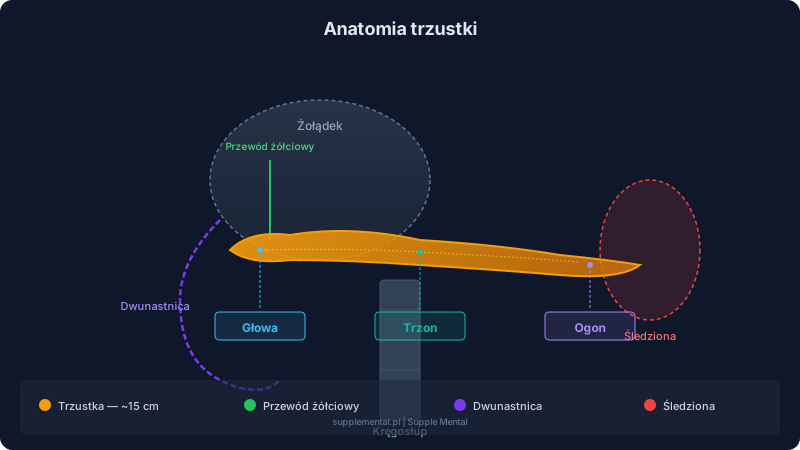
Fig. 1. Structure of the pancreas: head (the widest part, adjacent to the duodenum), body (the middle section) and tail (the narrow end, near the spleen).
Symptoms — Warning Signs That Must Not Be Ignored
Pancreatic cancer is insidious because in its early stages it often produces no symptoms at all, or the symptoms are non-specific. Most patients experience one or more of the following:
Primary Symptoms
- Abdominal or back pain — more common in tumours of the body and tail of the pancreas. The pain may be dull and gnawing, radiating to the sides or back, and worsening after eating or when lying down.
- Jaundice — occurs when a tumour in the head of the pancreas blocks the bile duct. It causes yellowing of the skin and whites of the eyes, dark urine, pale (fatty) stools and skin itching.
- Unexplained weight loss — often accompanied by loss of appetite, particularly with tumours of the pancreatic head.
- Changes in stool — pale, fatty, foul-smelling stools that are difficult to flush (steatorrhoea), indicating impaired fat absorption. Diarrhoea or constipation may also occur.
- Indigestion — heartburn, bloating, nausea.
Conditions Associated with Pancreatic Cancer
- Deep vein thrombosis (DVT) — pancreatic cancer promotes blood clotting through the release of tissue factor and thrombin. Symptoms: leg pain, swelling, redness. If a clot reaches the lungs — pulmonary embolism (chest pain, shortness of breath).
- Newly diagnosed diabetes — the tumour destroys the islet cells of the pancreas that produce insulin. It manifests as increased thirst, hunger and frequent urination.
- Enlarged gallbladder — a blocked bile duct causes bile to accumulate.
Symptoms at an Advanced Stage
- Liver metastases — pain in the right side of the abdomen, ascites (fluid accumulation).
- Lung metastases — persistent cough, shortness of breath, recurrent infections, coughing up blood.
- Bone metastases — bone fragility, hypercalcaemia (dehydration, confusion, nausea), anaemia.
Stages of Pancreatic Cancer
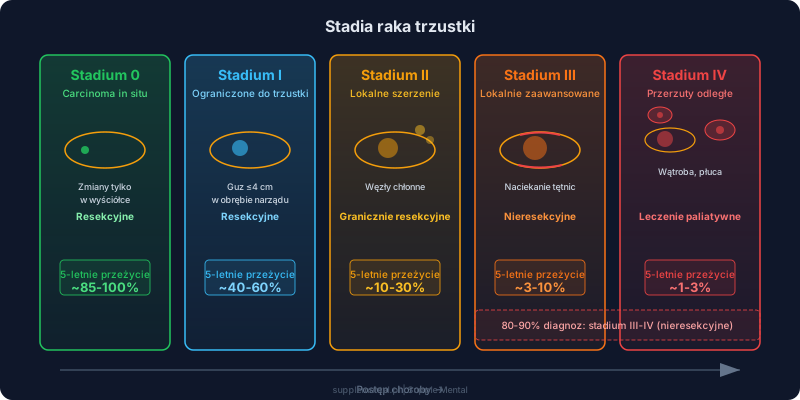
Fig. 2. Stages of pancreatic cancer: from in situ changes (stage 0) to distant metastases (stage IV).
- Stage 0 (carcinoma in situ) — abnormal cells confined to the lining of the pancreas only.
- Stage I — tumour limited to the pancreas, amenable to surgical removal (resectable).
- Stage II — may extend slightly beyond the pancreas (e.g. to nearby lymph nodes), still resectable or borderline resectable.
- Stage III — locally advanced, involving major arteries; surgical removal is difficult.
- Stage IV — metastases to distant organs (liver, lungs); surgery does not lead to cure.
Risk Factors
Genetics and Family History
Up to 15% of pancreatic cancer cases have a familial basis. A first-degree relative with pancreatic cancer increases the risk 2–3 fold. Mutations in BRCA1, BRCA2, PALB2, ATM and genetic syndromes (Lynch, Peutz-Jeghers, hereditary pancreatitis) significantly raise susceptibility.
Lifestyle Factors (Modifiable)
- Smoking — accounts for 20–25% of cases and doubles the risk. Tumours in smokers grow faster and appear approximately 10 years earlier. After 20 years of cessation, the risk returns to the level of non-smokers.
- Obesity — BMI >25–30 increases risk. Maintaining a healthy body weight is protective.
- Alcohol — ≥3 standard drinks per day leads to chronic pancreatitis and raises cancer risk.
- High sugar intake — a 2019 study showed that a high-sugar environment increases fivefold the likelihood of mutations leading to pancreatic cancer.
- Artificial light at night — a 2021 study found that people exposed to the highest levels of artificial light at night have a 27% higher risk of pancreatic cancer.
- Chemical exposure — asbestos, pesticides, dyes, petrochemicals. Ionising radiation — a modest increase in risk.
Comorbid Conditions
- Chronic pancreatitis — long-term inflammation of the organ.
- Gallstones — can lead to chronic pancreatitis.
- Diabetes — a 2-fold increase in risk (in some cases diabetes may be an early symptom of cancer rather than a cause).
- Insulin resistance and metabolic syndrome
- Polycystic ovary syndrome (PCOS) — a 2024 study: 38% higher risk of pancreatic cancer.
- Infections — hepatitis B, Helicobacter pylori, bacteria associated with periodontal disease.
- COVID-19 — a 2020 study demonstrated an interaction between the SARS-CoV-2 S2 protein and the BRCA1/BRCA2 tumour suppressor genes.
Other Factors
- Age — most diagnoses occur between the ages of 60 and 80; Generation X and Millennials have a higher risk than older generations.
- Sex — men are slightly more affected (greater exposure to tobacco and alcohol).
- Ethnicity — Ashkenazi Jews (BRCA mutations), African Americans — higher risk.
- Blood type — A (+32%), AB (+51%), B (+72%) vs O.
- Height — taller individuals may have a higher risk (mechanism unclear).
Diagnosis
Pancreatic cancer has no routine population-wide screening — available methods do not allow reliable early detection in asymptomatic individuals. However, people in high-risk groups may benefit from the following tests:
- Computed tomography (CT) — detailed imaging of the pancreas and surrounding structures.
- Endoscopic ultrasound (EUS) — close-up imaging of the pancreas with the option of biopsy.
- MRCP (magnetic resonance cholangiopancreatography) — detailed imaging of the pancreas and bile ducts.
- ERCP — a combination of endoscopy and X-ray, with the option of biopsy and duct unblocking.
- Tumour markers (CA 19-9, CEA) — elevated blood levels may indicate cancer.
- PET-CT — identification of tumour foci based on glucose metabolism.
- Genetic testing — for hereditary mutations (BRCA, PALB2, ATM).
- Laparoscopy — direct visualisation of abdominal organs.
- Biopsy — collection of a tissue sample for microscopic examination.
Conventional Treatment
Surgery
- Whipple procedure (pancreaticoduodenectomy) — the most common operation for tumours of the pancreatic head. Removes the head of the pancreas, part of the small intestine, the gallbladder, the bile duct and sometimes part of the stomach.
- Distal pancreatectomy — for tumours of the body/tail; removes the affected part of the pancreas and often the spleen.
- Total pancreatectomy — rarely performed; requires lifelong supplementation with insulin and digestive enzymes.
- Palliative surgery (bypass) — unblocking of ducts when the tumour is non-resectable.
Chemotherapy
Used before surgery (neoadjuvantly), after surgery (adjuvantly) or as the primary treatment in advanced-stage disease. The most commonly used regimens are FOLFIRINOX and gemcitabine. Side effects include hair loss, nausea, fatigue and reduced immunity.
Radiotherapy
Uses high-energy beams to destroy the DNA of cancer cells. It can shrink tumours before surgery, eliminate residual cells after surgery, or control tumour growth and relieve symptoms.
Immunotherapy
Helps the immune system recognise and attack cancer cells. Still under investigation for pancreatic cancer, but some drugs have been approved by the FDA.
Targeted Therapy
Blocks specific molecules involved in tumour growth. Used in non-resectable pancreatic cancer based on the results of genetic testing of the tumour.
Pulsed Electric Field Therapy (PEF)
A non-invasive method using short high-voltage pulses to damage the membranes of cancer cells without affecting healthy tissue. A 2023 study showed that nano-pulsed PEF reduced drug resistance in pancreatic cancer cells and increased their sensitivity to chemotherapy.
Herbs, Natural Substances and Alternative Medicine in Pancreatic Cancer
The following section forms the most extensive part of this article — and rightly so. For many patients with non-resectable pancreatic cancer, conventional options are limited, and integrative methods may improve quality of life, reduce the side effects of chemotherapy and — in a number of cases documented by research — extend survival. All substances and methods described below should be regarded as a complement to, not a replacement for, oncological treatment.
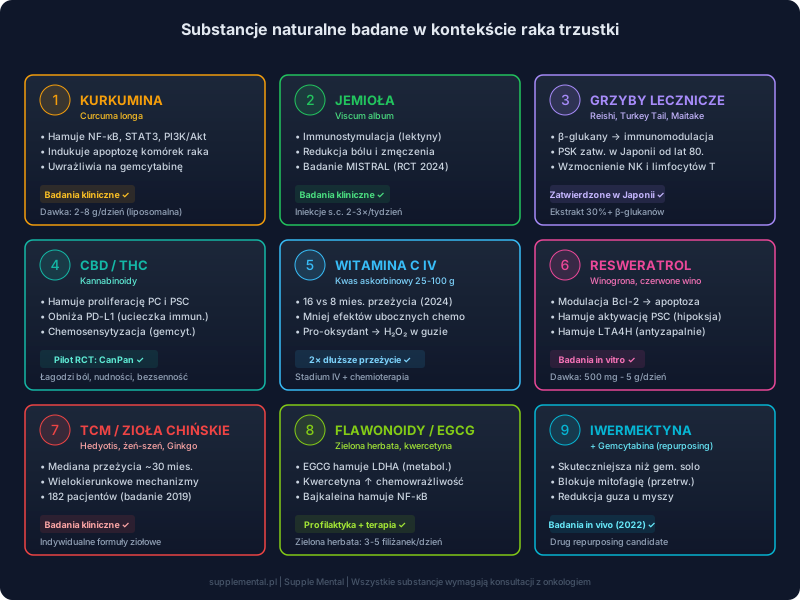
Fig. 3. Overview of natural substances with research evidence in the context of pancreatic cancer.
1. Curcumin (Curcuma longa)
🌿 Curcumin — the "gold" of Ayurvedic medicine
Curcumin is a polyphenol and the principal active constituent of turmeric. Dozens of preclinical studies have demonstrated its anti-cancer activity in pancreatic cancer through modulation of the NF-κB, STAT3 and PI3K/Akt pathways — which are central to the proliferation, survival and metastasis of cancer cells.
Scientific evidence:
- A 2025 systematic review (MDPI Cancers, "Unconventional Treatments for Pancreatic Cancer") confirmed that curcumin used alongside standard therapy is associated with improved survival and quality of life.
- A 2025 multidimensional analysis (PMC) showed that curcumin induces apoptosis in pancreatic cancer cells via CerS1-dependent endoplasmic reticulum stress.
- Curcumin inhibits tumour angiogenesis (the formation of new blood vessels) and sensitises cancer cells to gemcitabine — the most commonly used chemotherapy agent in pancreatic cancer.
Dosage and bioavailability: The main challenge is the low bioavailability of orally administered curcumin. Solutions include liposomal forms, nanocurcumin and combination with piperine (a component of black pepper that increases absorption 20-fold). Clinical studies have used doses of 2–8 g/day.
2. Mistletoe Extract (Viscum album)
🌿 European mistletoe — anthroposophic tradition confirmed clinically
Mistletoe extract (Iscador, Helixor, abnobaVISCUM) is the most widely used complementary oncology preparation in Europe, particularly in Germany, Switzerland and Austria. It contains lectins, viscotoxins and polysaccharides with immunostimulatory and cytotoxic properties.
Scientific evidence:
- 2014 study — 96 pancreatic cancer patients receiving mistletoe extract injections 3× per week experienced a significant reduction in pain, fatigue, loss of appetite and insomnia. The extract was assessed as a potentially effective second-line therapy.
- MISTRAL trial (2024) — a randomised, placebo-controlled, double-blind study in patients with advanced pancreatic cancer. The study investigated whether mistletoe extract added to comprehensive oncological treatment extends overall survival (OS) and improves health-related quality of life (HRQoL).
- Hyperthermia study (2023, MDPI Cancers) — patients receiving mistletoe and hyperthermia in addition to palliative chemotherapy showed favourable clinical outcomes.
- Other studies have shown that mistletoe extract may also extend survival in pancreatic cancer patients.
Administration: Subcutaneous injections 2–3× per week, with the dose increasing gradually. Available in many EU countries on prescription or as an anthroposophic preparation. Availability in the UK and other markets varies — consult your oncologist.
3. Chinese Herbal Medicine (TCM)
🌿 Traditional Chinese Medicine — centuries-old herbs under scientific scrutiny
TCM offers complex herbal formulas that have shown promising results in clinical studies on pancreatic cancer — both in improving survival and in alleviating chemotherapy side effects.
Scientific evidence:
- 2019 study (182 pancreatic cancer patients) — patients treated with Chinese herbs, including St John's wort, Ginkgo biloba and ginseng, achieved a median survival of nearly 30 months — well above the typical median for advanced pancreatic cancer (6–12 months).
- 2017 population study — Bai-hua-she-she-cao (Hedyotis diffusa) and Xiang-sha-liu-jun-zi-tang (a formula with Chinese cardamom) were associated with improved survival and reduced mortality risk in pancreatic cancer patients.
- 2023 review (PMC, "Advances in the treatment of pancreatic cancer with TCM") — confirmed the multi-directional mechanisms of action of Chinese herbs: induction of apoptosis, inhibition of proliferation, modulation of the tumour microenvironment, reduction of drug resistance.
Key TCM herbs in pancreatic cancer:
- Hedyotis diffusa (Bai-hua-she-she-cao) — cytotoxic and antiproliferative activity
- Panax ginseng (ginseng) — immunomodulation, anti-fatigue effects
- Ginkgo biloba (ginkgo) — antioxidant, neuroprotection
- Scutellaria baicalensis (Baikal skullcap) — contains baicalein, a potent NF-κB inhibitor
- Glycyrrhiza glabra (liquorice) — contains isoliquiritigenin with pro-apoptotic activity
4. Medicinal Mushrooms
🍄 Medicinal mushrooms — immunomodulation supporting the fight against cancer
Medicinal mushrooms have been used in Asian medicine for thousands of years, and for more than 30 years as an approved adjunct to anti-cancer therapy in Japan and China. Their primary mechanism is stimulation of the immune system via polysaccharides (β-glucans).
Key species:
- Ganoderma lucidum (reishi, lingzhi) — studies demonstrate immunostimulatory and anti-cancer properties. A Cochrane review (2016) confirmed that reishi may be used as a complement to conventional oncological treatment. It contains triterpenoids with cytotoxic activity against cancer cells.
- Trametes versicolor (turkey tail) — the polysaccharide PSK (krestin) has been approved in Japan as a supportive oncology drug since the 1980s. It enhances the activity of NK cells and T lymphocytes.
- Grifola frondosa (maitake) — the D and MD fractions exhibit anti-cancer activity in animal models of pancreatic cancer.
- Lentinula edodes (shiitake) — lentinan is administered intravenously in Japan as an immunomodulator in the treatment of gastrointestinal cancers.
- Hericium erinaceus (lion's mane) — in vitro studies show inhibition of pancreatic cancer cell growth.
Application: As supplementation in the form of extracts standardised for β-glucans (min. 30%). Quality and standardisation are important — not all preparations on the market are equivalent.
5. Cannabinoids (CBD, THC)
🌿 The endocannabinoid system — a new therapeutic target
Cannabinoid receptors (CB1, CB2, GPR55) have been identified in pancreatic cancer tissue, making the endocannabinoid system a promising therapeutic target.
Scientific evidence:
- 2020 study (MDPI Int J Mol Sci) — CBD and THC inhibited the proliferation of pancreatic cancer cells (PC), pancreatic stellate cells (PSC) and PSC-stimulated PC cells. They suppressed pancreatic tumour growth in mice. They also reduced PD-L1 expression — a protein that enables cancer cells to evade the immune system.
- 2025 study (MDPI Int J Mol Sci) — CBD improves survival in a mouse model of pancreatic cancer by modulating the bile acid profile and gut microbiota.
- 2025 review (Springer, Cell Cancer) — CBD exhibits anti-cancer properties via multiple pathways: CerS1-dependent ER stress, GPR55/MAPK inhibition, modulation of the immune response, chemosensitisation (sensitisation to gemcitabine).
- CanPan pilot trial — a randomised clinical trial evaluating medical cannabis for symptom reduction in patients with newly diagnosed pancreatic cancer.
Note: CBD and THC do not replace chemotherapy. However, they may alleviate pain, nausea, loss of appetite and insomnia — common problems for pancreatic cancer patients. Their use requires consultation with a physician and consideration of the legal status in the relevant country.
6. High-Dose Intravenous Vitamin C
💊 Intravenous ascorbic acid — doubling survival time
Vitamin C administered intravenously at pharmacological doses (25–100 g) achieves blood concentrations impossible to reach via the oral route and acts selectively cytotoxic against cancer cells by generating hydrogen peroxide.
Key study (2024):
- Stage IV pancreatic cancer patients receiving chemotherapy combined with high-dose intravenous vitamin C lived twice as long: 16 months vs 8 months compared with the control group (chemotherapy alone).
- They experienced fewer chemotherapy side effects.
- They adhered better to the treatment schedule (fewer delays and dose reductions).
Mechanism: At pharmacological concentrations, vitamin C acts as a pro-oxidant — it generates hydrogen peroxide, which is toxic to cancer cells (which have low catalase levels) but does not harm healthy cells.
7. Resveratrol
🍇 Resveratrol — a polyphenol from red wine
Resveratrol is a stilbenoid present in the skin of dark grapes, red wine, berries and peanuts. Studies demonstrate multi-directional anti-cancer activity in pancreatic cancer.
Scientific evidence:
- Inhibits proliferation and induces apoptosis in pancreatic cancer cells by modulating Bcl-2 family proteins (MDPI Molecules, 2021).
- Inhibits hypoxia-induced activation of pancreatic stellate cells — a key mechanism in pancreatic cancer progression (PMC, 2020).
- Suppresses pancreatic cancer by inhibiting leukotriene A4 hydrolase (LTA4H) — an enzyme that promotes inflammation (PMC, 2016).
- Resveratrol derivatives show even stronger antiproliferative activity, affecting cancer stem cells (MDPI Int J Mol Sci, 2023).
Limitations: Like curcumin, resveratrol has low oral bioavailability. Clinical studies use doses of 500 mg–5 g/day, often in the form of trans-resveratrol.
8. Quercetin
🧅 Quercetin — a broad-spectrum flavonoid
Quercetin is one of the most abundantly occurring flavonoids in the diet — present in onions, apples, green tea, capers and berries. It exhibits powerful anti-inflammatory and anti-cancer activity.
Scientific evidence:
- A 2021 review (PMC) confirmed that quercetin modulates multiple pathways involved in pancreatic cancer progression, including apoptosis, autophagy and the cell cycle.
- A 2022 study showed that quercetin improves the sensitivity of pancreatic cancer to chemotherapy by regulating oxidative-inflammatory networks, reducing immunosuppression in the tumour microenvironment.
- In combination with gemcitabine it shows a synergistic effect — reducing drug resistance.
9. Berberine
🌿 Berberine — an alkaloid with multi-directional activity
Berberine is an isoquinoline alkaloid present in barberry, Chinese goldthread (Coptis chinensis) and the bark of the Amur cork tree. It has been used for centuries in traditional medicine for inflammatory conditions and infections.
Scientific evidence in pancreatic cancer:
- A 2022 study (ResearchGate) showed that berberine exhibits activity against both pancreatitis and pancreatic cancer — inhibiting proliferation and inducing apoptosis in cancer cells.
- Mechanisms: AMPK modulation, NF-κB inhibition, induction of autophagy, reduction of multidrug resistance.
- In animal models, berberine reduced pancreatic tumour volume and inhibited metastasis.
Regulatory note: EFSA's draft opinion from 2026 was unable to establish a safe level of intake for berberine, raising questions about the future of supplements containing this ingredient in the EU. Read more in our article on berberine and EFSA →
10. Flavonoids — EGCG, Apigenin, Baicalein, Wogonin, Silibinin
🍵 Flavonoids — bioactive plant compounds
Flavonoids are a vast group of plant polyphenols with proven anti-cancer activity. A 2024 review (Frontiers in Nutrition) described their therapeutic potential in pancreatic cancer in detail.
- EGCG (epigallocatechin gallate) — the principal polyphenol of green tea. Inhibits LDHA (lactate dehydrogenase A), an enzyme central to cancer cell metabolism. Regular green tea consumption is associated with a reduced risk of pancreatic cancer. At therapeutic doses (400–800 mg/day) it disrupts aerobic glycolysis in cancer cells.
- Apigenin — present in parsley, celery and chamomile. Inhibits proliferation and induces apoptosis in pancreatic cancer cells.
- Baicalein — from Baikal skullcap (Scutellaria baicalensis). A potent NF-κB inhibitor; inhibits tumour angiogenesis.
- Wogonin — also from Baikal skullcap. Induces apoptosis and autophagy in pancreatic cancer cells.
- Silibinin — from milk thistle (Silybum marianum). Inhibits cancer cell growth and reduces resistance to chemotherapy agents.
- Isoliquiritigenin — from liquorice root. Pro-apoptotic and antiproliferative activity against pancreatic cancer cells.
11. Apitherapy (Bee Venom)
🐝 Bee venom — melittin and apamin in oncology
Apitherapy uses substances of bee origin — in the oncological context, bee venom and its peptides are of particular significance.
Evidence: A 2022 study showed that bee venom slows the progression of pancreatic cancer cells. Peptides studied include:
- Melittin — the principal component of bee venom. Induces apoptosis in cancer cells, disrupts mitochondrial membranes and inhibits angiogenesis.
- Apamin — blocks calcium-activated potassium channels. Researchers are analysing its potential as a modulator of the tumour microenvironment.
12. Ivermectin + Gemcitabine
💊 Drug repurposing — a new application for ivermectin
Ivermectin — an antiparasitic drug in use since the 1980s — has shown promising anti-cancer properties in preclinical studies when combined with gemcitabine.
2022 study:
- The combination of ivermectin with gemcitabine was more effective at inhibiting pancreatic cancer than gemcitabine alone.
- The combination reduced cancer cell growth, lowered oxygen consumption and blocked mitophagy — a process used by cancer cells to survive.
- In animal models — a significant reduction in tumour growth.
The results suggest that ivermectin may enhance the efficacy of gemcitabine and represent a promising adjunct to pancreatic cancer therapy.
Acupuncture and Electroacupuncture
Acupuncture and electroacupuncture are recommended by ASCO (American Society of Clinical Oncology) as integrative methods supporting oncological treatment. A 2025 systematic review (MDPI Cancers) included electroacupuncture in the list of unconventional therapies for pancreatic cancer.
Applications in pancreatic cancer:
- Pain reduction — particularly neuropathic pain and pain associated with coeliac plexus infiltration.
- Reduction of nausea and vomiting following chemotherapy.
- Improvement of appetite and reduction of fatigue.
- Alleviation of anxiety and improvement of sleep quality.
ASCO's 2024 guidelines (Integrative Therapies in Cancer Care) recommend acupuncture as a method with proven efficacy in alleviating anxiety, pain and nausea in oncology patients.
Diet and Nutrition in Pancreatic Cancer
Nutritional Principles
- Frequent, small meals — 6–8 per day, at regular intervals. Do not wait until you feel hungry.
- Hydration — plenty of clear fluids: water, electrolytes, broth.
- Limiting sugar and fat — stabilise blood glucose by combining carbohydrates with protein (fish, poultry, legumes). Limit fatty foods that burden the pancreas.
- Avoiding high-temperature frying — frying and grilling generate carcinogenic compounds (acrylamide, HCA, PAH). Preferred methods: baking, steaming, braising.
Intermittent Fasting
Laboratory studies have shown that fasting may increase the absorption of gemcitabine by pancreatic cancer cells by raising the level of a transport protein, thereby improving treatment efficacy. In laboratory models, combining fasting with gemcitabine reduced tumour growth by more than 40%. Note: most patients benefit from eating regular small meals. Fasting should only be undertaken under medical supervision.
Vitamin Supplementation
- B vitamins (B1, B3, B6) — pancreatic cancer patients have an elevated risk of water-soluble vitamin deficiencies.
- Fat-soluble vitamins (A, D, E, K) — impaired fat absorption leads to their deficiency.
- Pancreatic enzymes (PERT) — enzyme supplementation is essential in exocrine pancreatic insufficiency.
Physical Activity
Gentle physical activity helps maintain strength, mobility and mood. A 2022 study showed that the same biochemical pathways activated by aerobic exercise to repair muscle damage may also help shrink pancreatic tumours and increase their sensitivity to immunotherapy.
Recommended forms:
- Short walks
- Light housework and gardening
- Seated leg-lift exercises
- Lifting light weights
- Climbing stairs
- Tai chi — combines gentle movement with meditation and deep breathing
Stress Management
Chronic stress weakens the immune system and disrupts metabolic and hormonal balance, potentially creating conditions that favour the growth and spread of cancer.
Effective methods:
- Mindfulness meditation — clinical studies confirm reductions in anxiety, depression and fatigue in oncology patients.
- Breathing exercises — activation of the vagus nerve, lowering of cortisol.
- Yoga — studies show reductions in anxiety, depression, stress and fatigue in people following cancer therapy, with improved sleep quality.
- Tai chi and qigong — gentle forms of movement combining physical exercise with relaxation techniques.
- Psychological support — support groups, cognitive behavioural therapy, consultations with a psycho-oncologist.
Probiotics and Gut Microbiota
Restoring a healthy balance of gut bacteria through prebiotics, probiotics, next-generation probiotics or faecal microbiota transplantation may help reduce inflammation and support gut health — which is significant because gut dysbiosis has been linked to pancreatic cancer progression.
Prevention — How to Reduce Your Risk
- Stop smoking — the most important modifiable risk factor.
- Maintain a healthy body weight — a diet rich in vegetables, fruit and wholegrains.
- Limit alcohol — max 1–2 units per day.
- Drink green tea — EGCG disrupts the metabolism of pancreatic cancer cells by inhibiting LDHA.
- Genetic counselling — if there is a family history of the disease.
- Regular check-ups — particularly when risk factors are present.
- Diabetes management — maintaining normal blood glucose levels.
- Stress reduction — meditation practices, physical activity.
- Maintain good oral health — periodontal disease is associated with a higher risk.
Complications of Pancreatic Cancer
- Pain — frequent, severe, radiating to the back.
- Enlarged spleen — with tumours of the body/tail blocking the splenic vein.
- Oesophageal varices — risk of massive haemorrhage.
- Diabetes — up to 50% of patients develop secondary diabetes.
- Malabsorption — bloating, steatorrhoea, weight loss, vitamin deficiencies.
- Bowel obstruction — the tumour blocks the passage of food.
- Bile duct obstruction — obstructive jaundice.
- Venous thrombosis — pancreatic tumours promote blood clotting.
Diagram: An Integrative Approach to Pancreatic Cancer
flowchart TD
    A[Pancreatic cancer diagnosis] --> B{Stage?}
    B -->|I-II resectable| C[Surgery + adjuvant chemotherapy]
    B -->|III locally advanced| D[Chemotherapy ± radiotherapy]
    B -->|IV metastatic| E[Palliative chemotherapy]

    C --> F[Supportive integrative therapies]
    D --> F
    E --> F

    F --> G[Natural substances]
    F --> H[Mind-body methods]
    F --> I[Therapeutic nutrition]

    G --> G1[Curcumin]
    G --> G2[Mistletoe]
    G --> G3[Medicinal mushrooms]
    G --> G4[CBD/THC]
    G --> G5[IV Vitamin C]
    G --> G6[Flavonoids]

    H --> H1[Acupuncture]
    H --> H2[Meditation/Yoga]
    H --> H3[Tai chi]

    I --> I1[Small meals 6-8x daily]
    I --> I2[Enzyme supplementation]
    I --> I3[B vitamins + ADEK]
Fig. 4. Integrative approach diagram: conventional treatment + supportive therapies.